
Why I Offer 35mm Film for Local Brand Photography
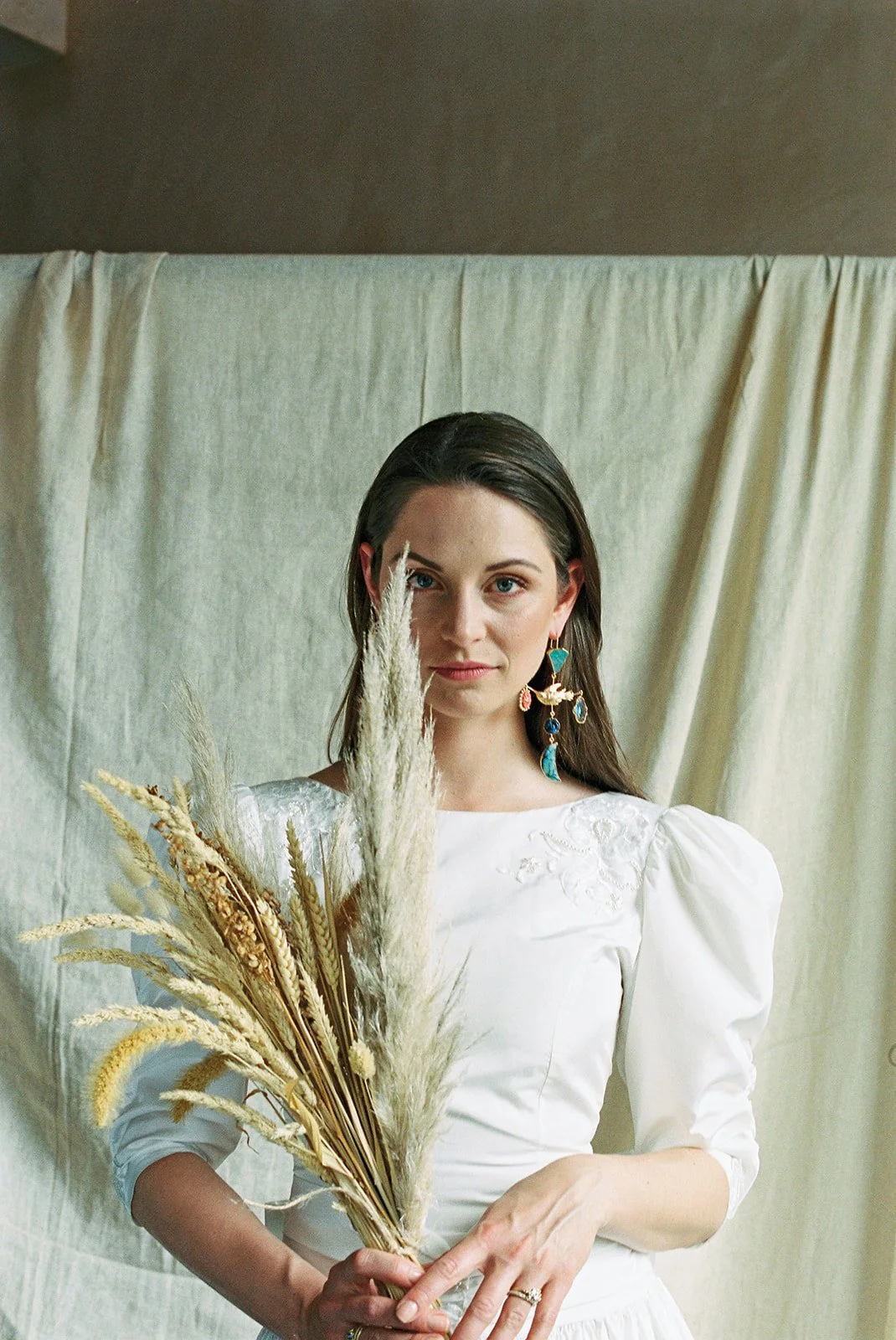
In a world built for speed, 35mm film asks us to slow down.
Photography is not just about what something looks like, for me, it’s very much about how things feel.
How a brand lives in the hands of its maker. How light moves across texture. How time leaves its mark. This is why, when I photograph local brands or record promotional portraiture, I often return to 35mm and medium format film.
Film is not a trend to me. 35mm film photography has a distinct visual language, one that digital cameras and endless apps still strive to replicate. The grain is organic, never perfect. The highlights bloom softly. Colors feel lived-in rather than manufactured. For local brand photography, this matters. Are you working with your hands? Are you making with natural fabrics you painstakingly sourced? Are you drawing ideas by hand? Are you growing things to add to your products? Film can communicate that in a way that digital images don’t.
Small businesses are built on human stories, not algorithms. Film reflects that truth. It introduces subtle imperfections that mirror real hands, real processes, and real places. Nothing feels over-polished, and nothing is accidental.
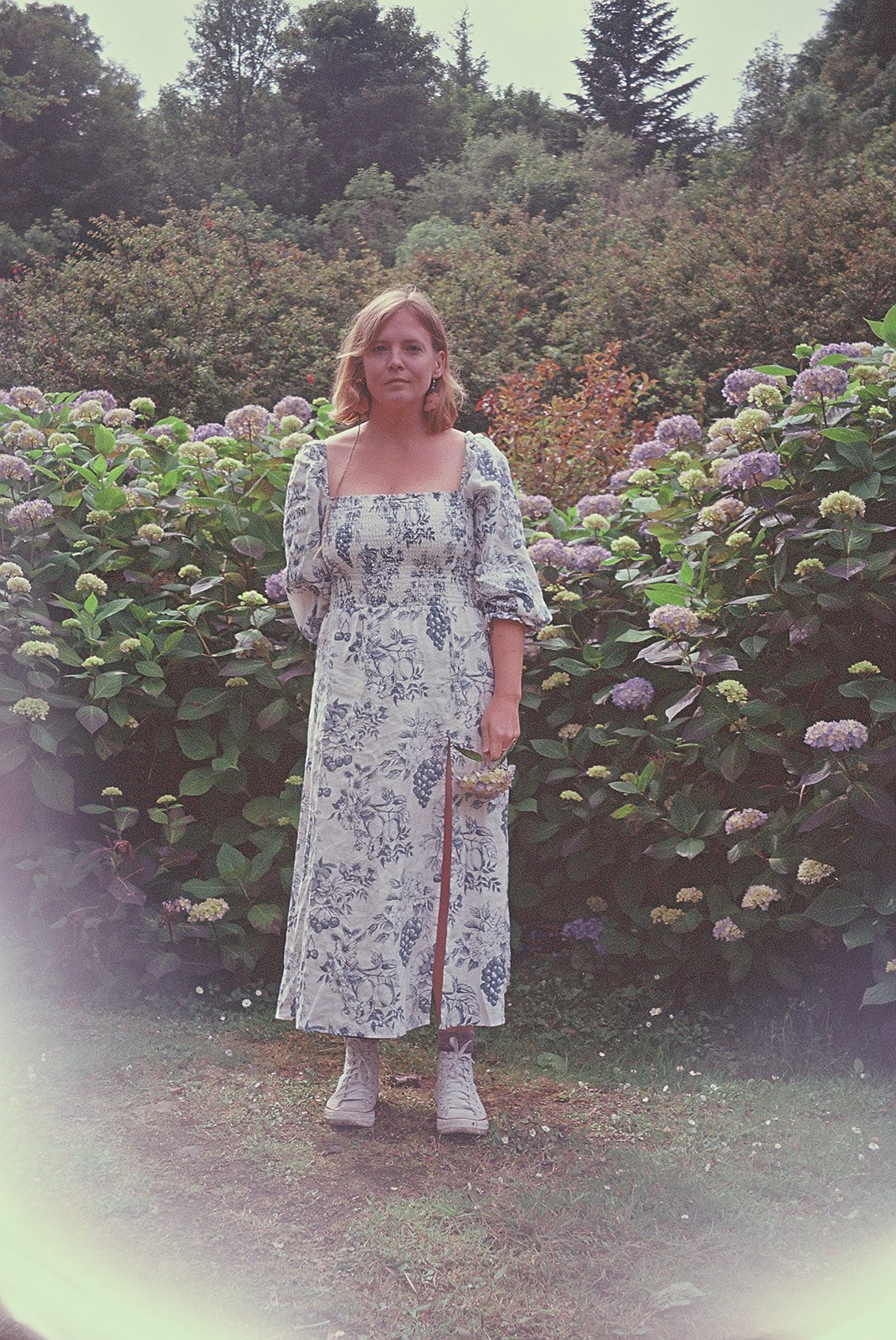

Film Creates Trust Through Authenticity
Local brands thrive on connection. Customers want to know who made the product, where it came from, and why it exists and what makes it different, why it’s important to you to produce. People appreciate that building a brand from scratch is no easy thing, that founders pour their heart and soul into their work.
35mm film builds that trust visually.
Because film limits each frame, every photograph is intentional. There’s no endless burst mode, no immediate preview. This restraint translates into images that feel considered and honest—qualities that audiences subconsciously recognize.
In brand storytelling, authenticity is currency. Film earns it quietly.
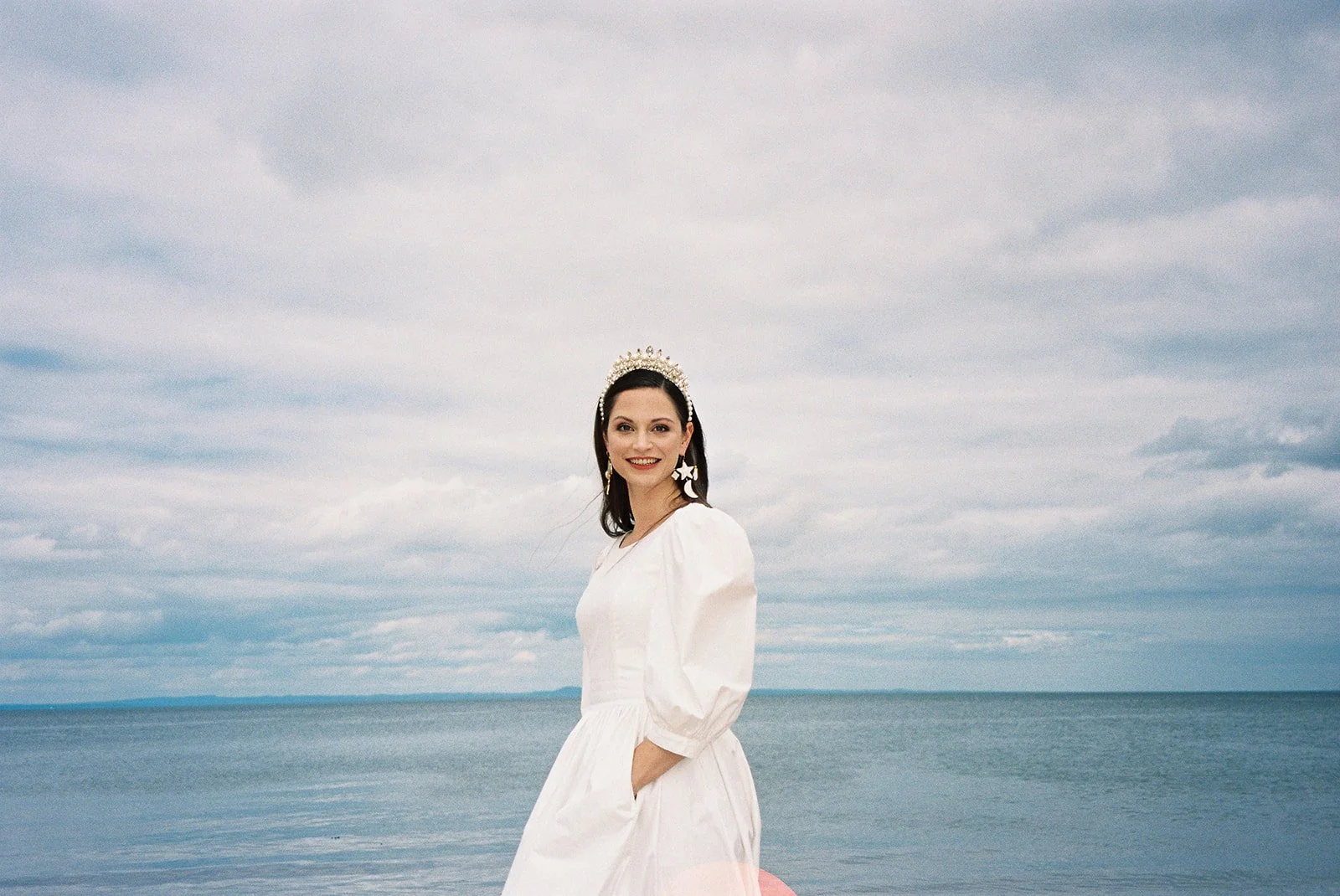
Color, Texture, and Light—As They Actually Exist
One of the most powerful qualities of 35mm film is its relationship with light.
Film doesn’t overpower color; it responds to it. Earth tones remain grounded. Whites stay warm. Shadows hold depth without harsh contrast. This makes film especially suited to:
Artisan products
Fashion and textiles
Food and hospitality brands
Makers, studios, and workshops
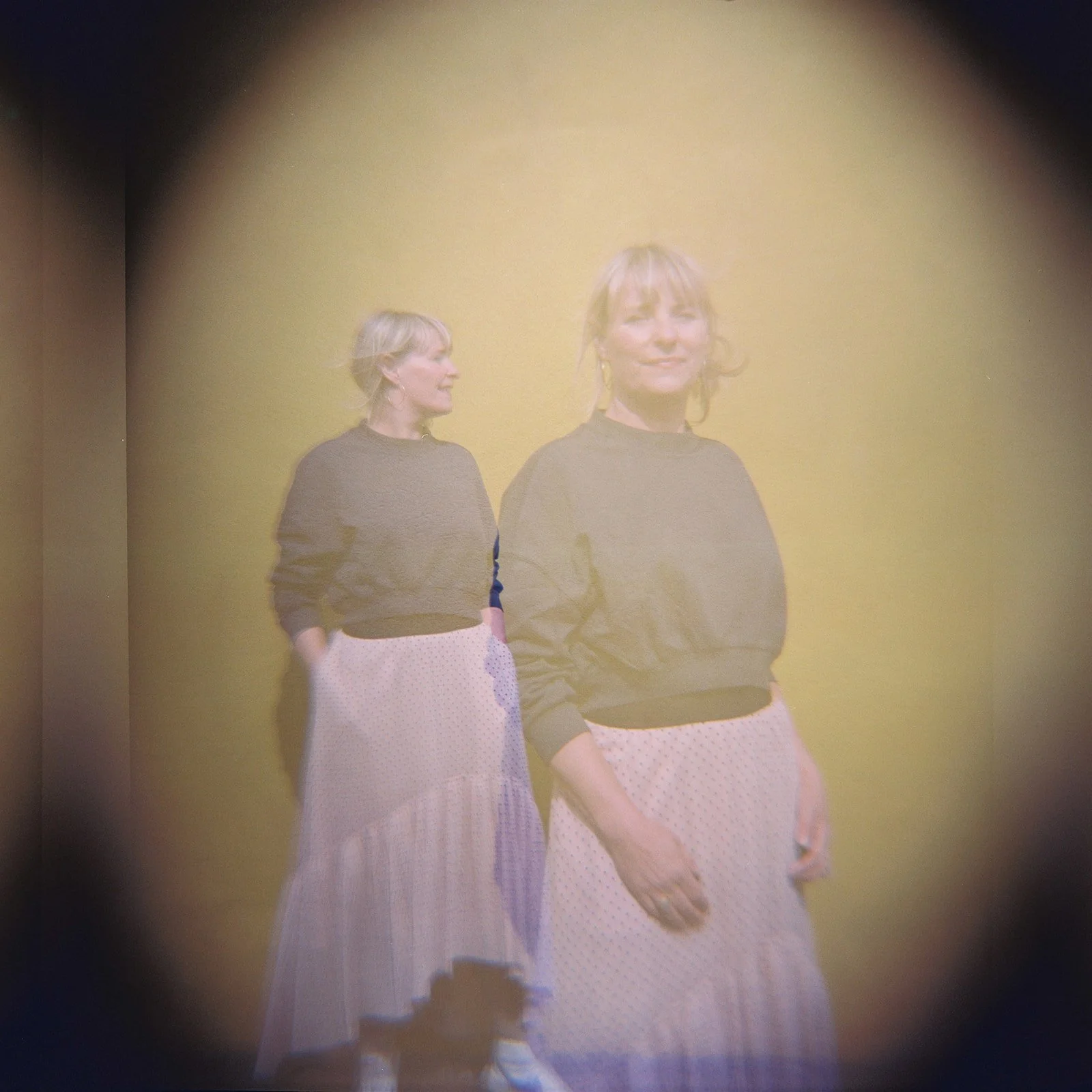
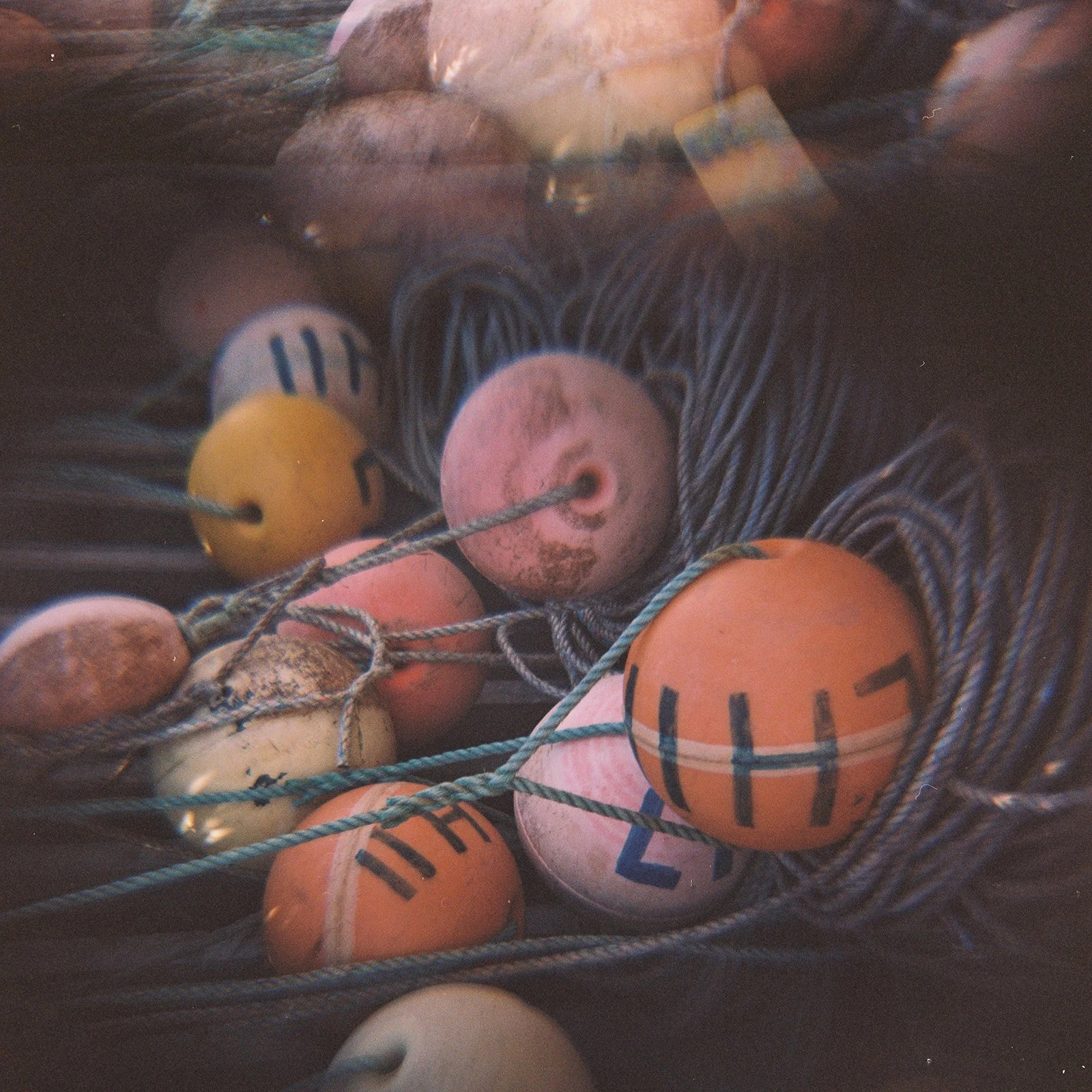
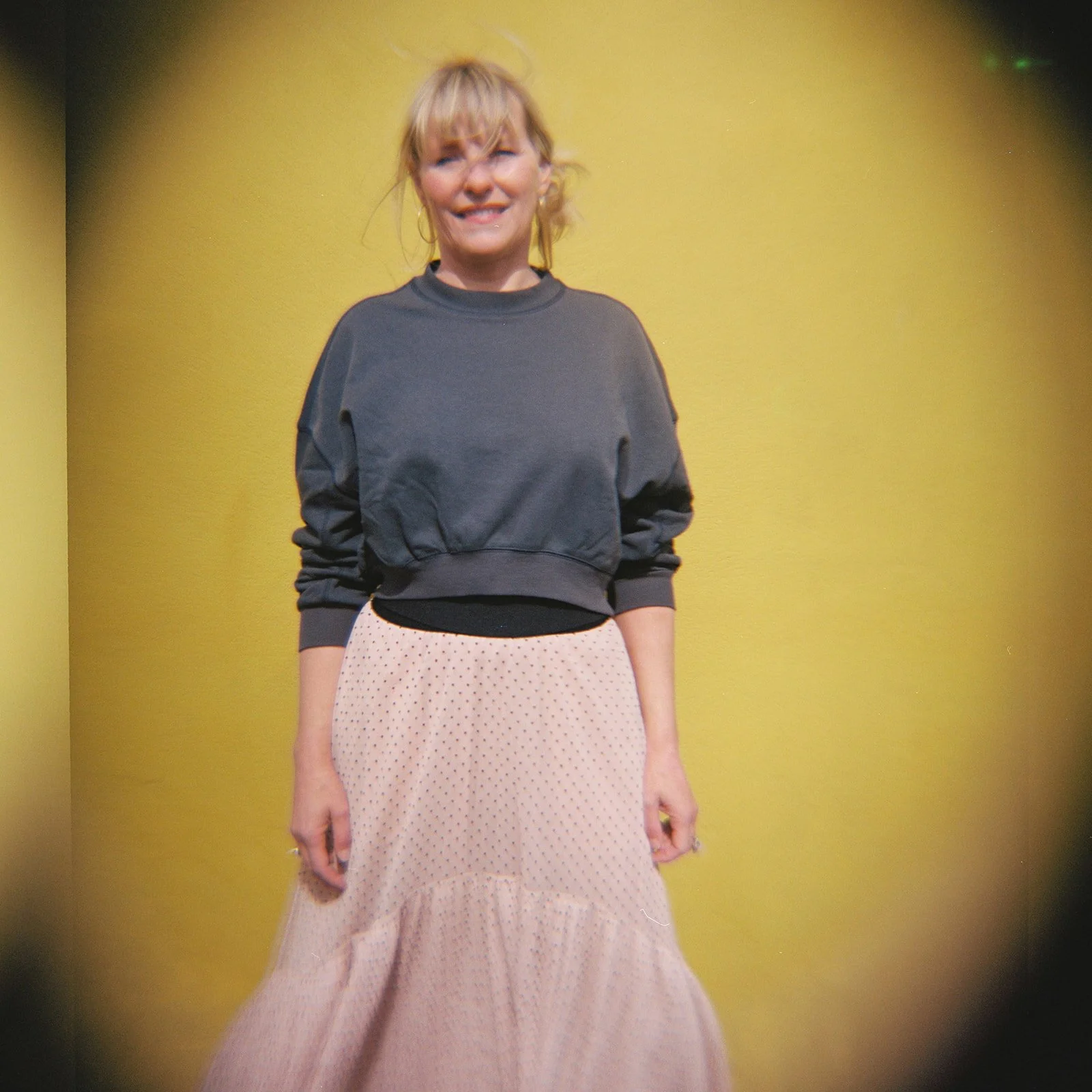
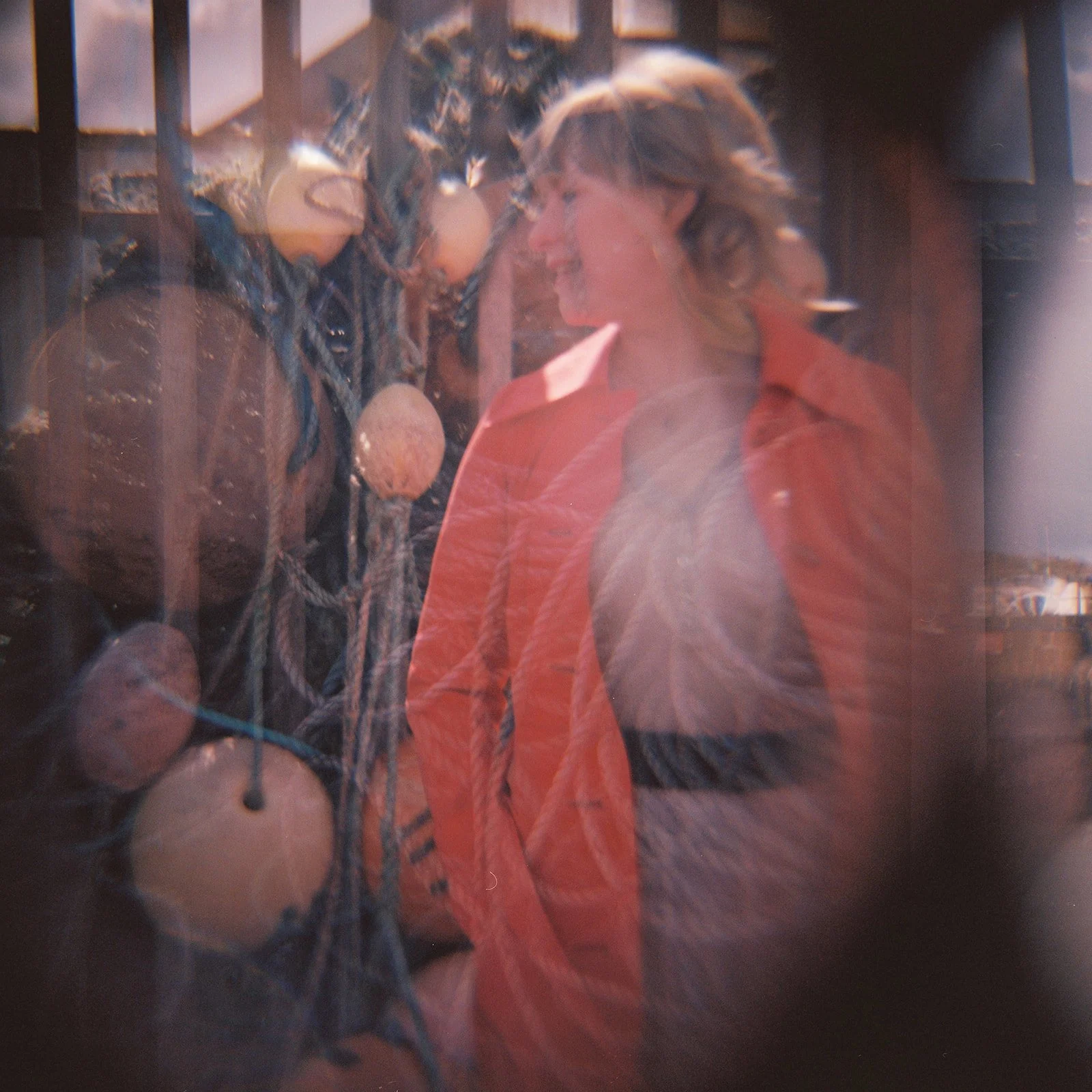
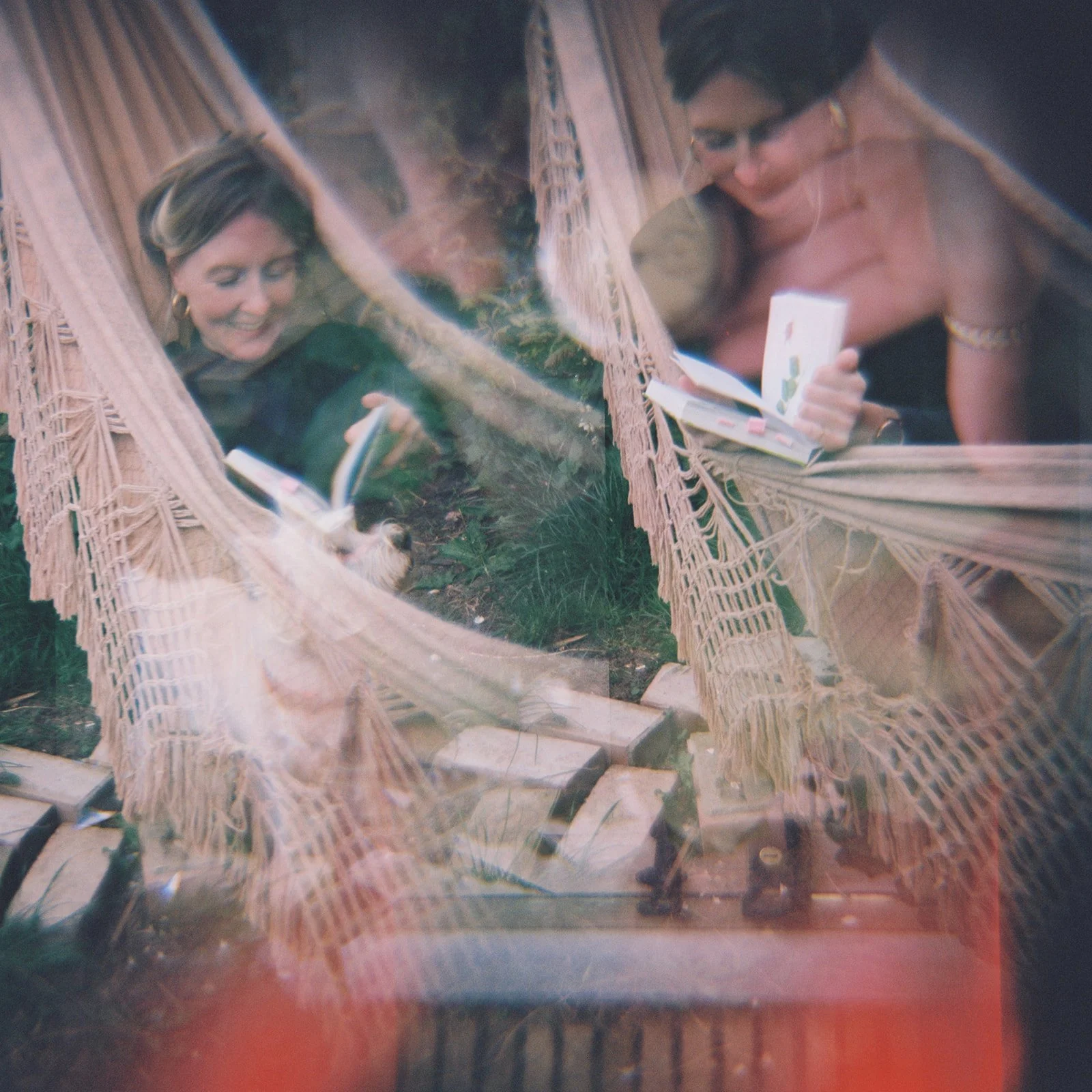
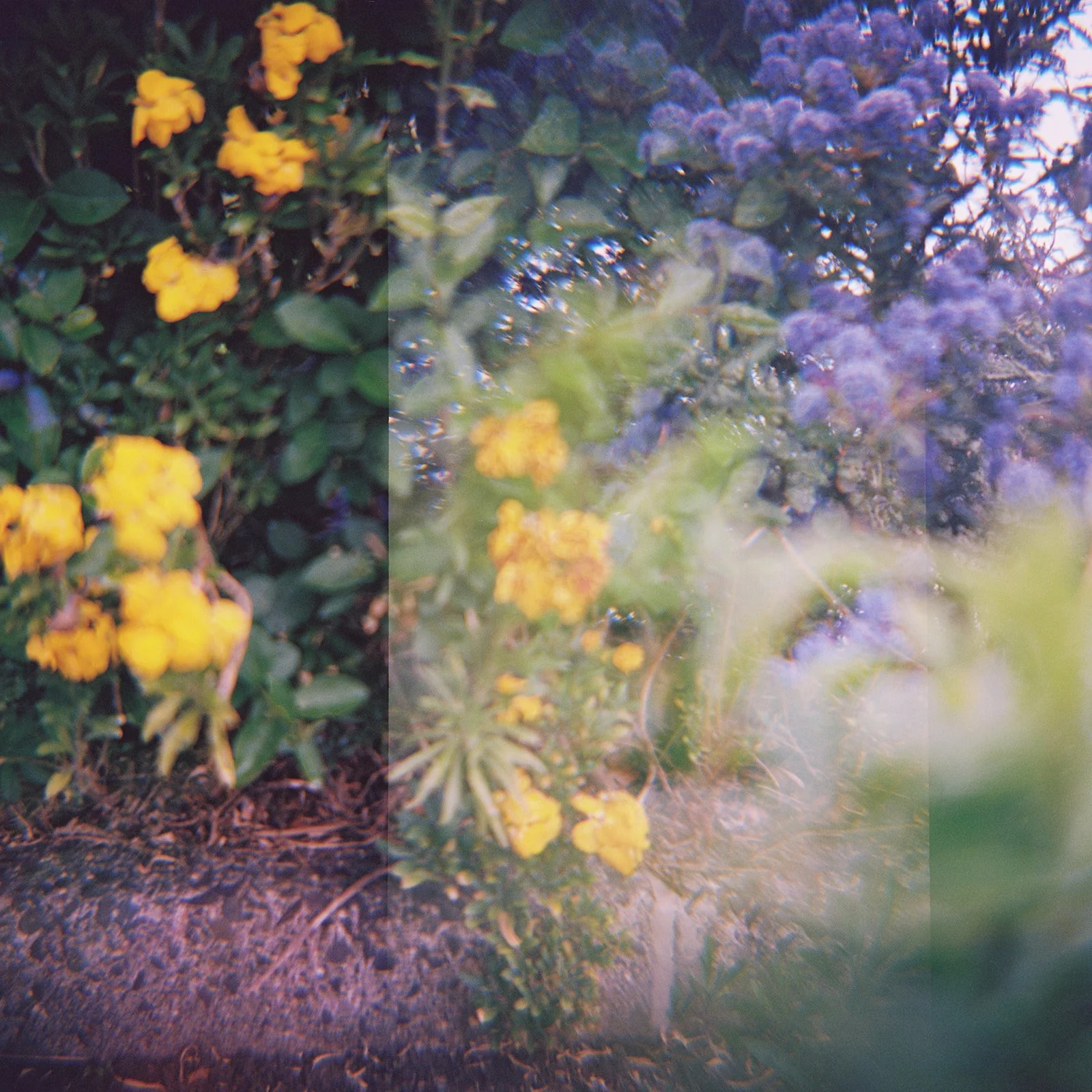
Textures—linen, wood, ceramic, skin—are rendered with softness and detail that feels tactile rather than sharp. There’s nothing I enjoy more than days working with independent local brands gathering visuals to show the colours they love, the textures that they focus on - like a day at Dunbar harbour with local creative Kate George, gathering the bold rusts, mustards and jades that she loves to feature in her graphic design, illustration and mural work, all inspired by the buoys, ropes and seaweeds of the harbour. Multiple exposures on medium format film is ideal for showcasing these simple inspirations.
For local brand photography, this realism helps customers imagine the product in their own lives, not just on a screen.
Working with film changes the pace of a shoot.
It encourages conversation. Observation. Waiting for the right moment rather than forcing it. This slower rhythm allows brands to relax into themselves. The result is imagery that feels less like a campaign and more like a memory.
For small brands, this matters. Film photography doesn’t shout—it invites.
And in a crowded digital space, invitation is powerful.
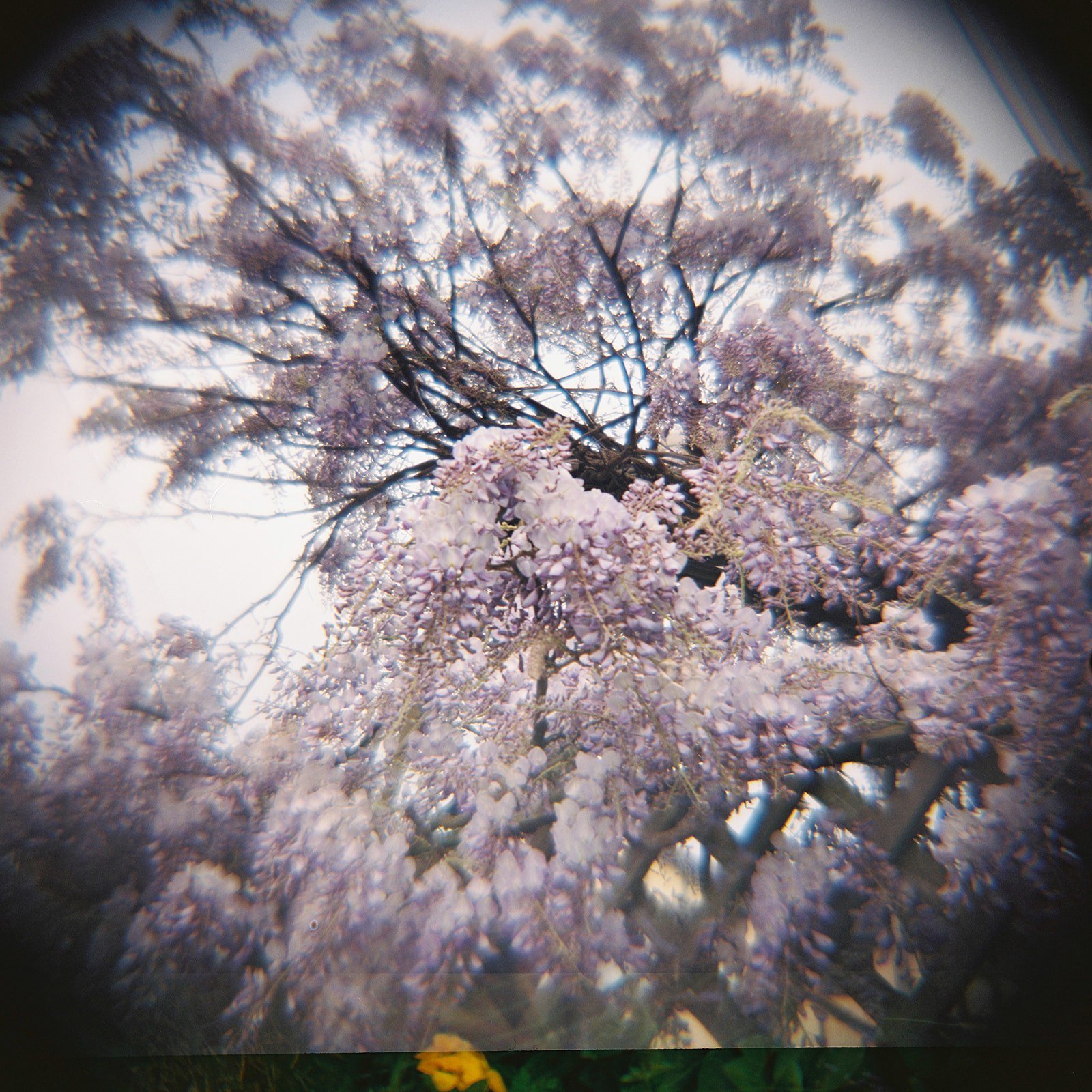

35mm Film and Brand Storytelling
Storytelling is at the heart of everything I create with my cameras. 35mm film naturally supports narrative because each roll carries continuity. Light shifts gradually. Moments unfold. The images belong together.
This cohesion is invaluable for:
Website imagery
Editorial features
Social media storytelling
Lookbooks and brand archives
Rather than chasing trends, film helps build a visual identity that evolves slowly—and lasts.

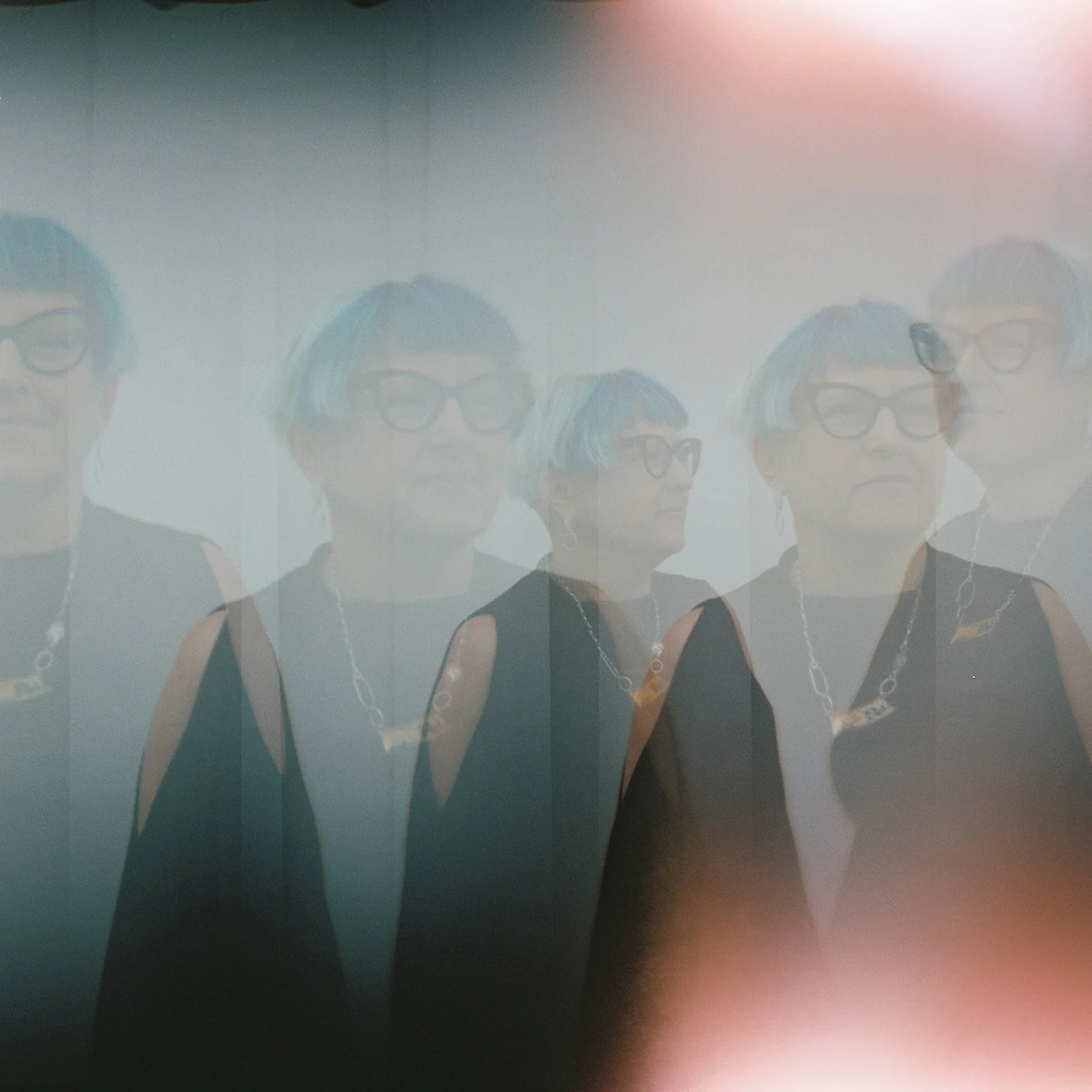
Standing Apart in a Digital World
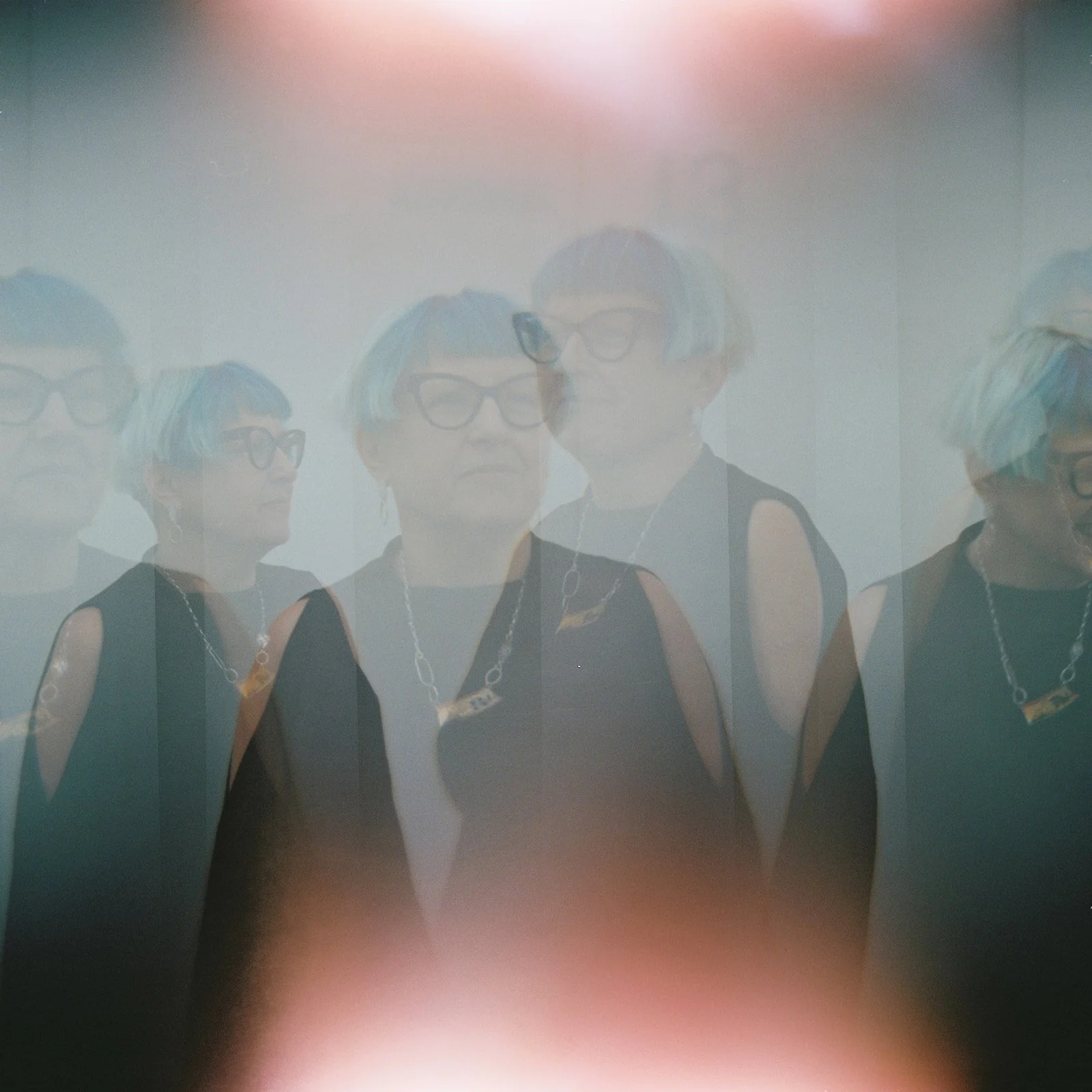
Digital photography dominates brand marketing and for good reason. But sameness has a cost. Film offers distinction. In an online environment filled with hyper-sharp, heavily retouched imagery, 35mm film stands out precisely because it feels human. It signals care, craftsmanship, and confidence. It suggests that a brand knows who it is—and doesn’t need to shout. It’s, to me, just like my love of vinyl records or reading from a book over a kindle. There is a tactile quality that feels more human and more genuine, the imperfections are the important part of the story. And aren’t we all desperately craving more genuine stories as the world of AI evolves and we wake each morning a wee bit scared to open our phones to see what’s happened around the world while we slept?! There’s a gentleness I that we need to return to, a wee quiet revolution in the analogue. Quiet confidence can be transformative.
Every project begins with listening: to the brand’s story, its rhythm, its intentions. Film becomes a collaborator in that process, shaping images that feel aligned rather than imposed. I believe photography should reflect the soul of a brand, not just its surface. And sometimes, the most honest way to do that is with a roll of 35mm film, natural light, and a little bit of time.
35mm film is not about nostalgia. It’s about presence.
For local brand photography, film offers depth, trust, and emotional resonance which are qualities that cannot be automated or replicated. It reminds us that behind every product is a person, and behind every brand is a story worth telling slowly.
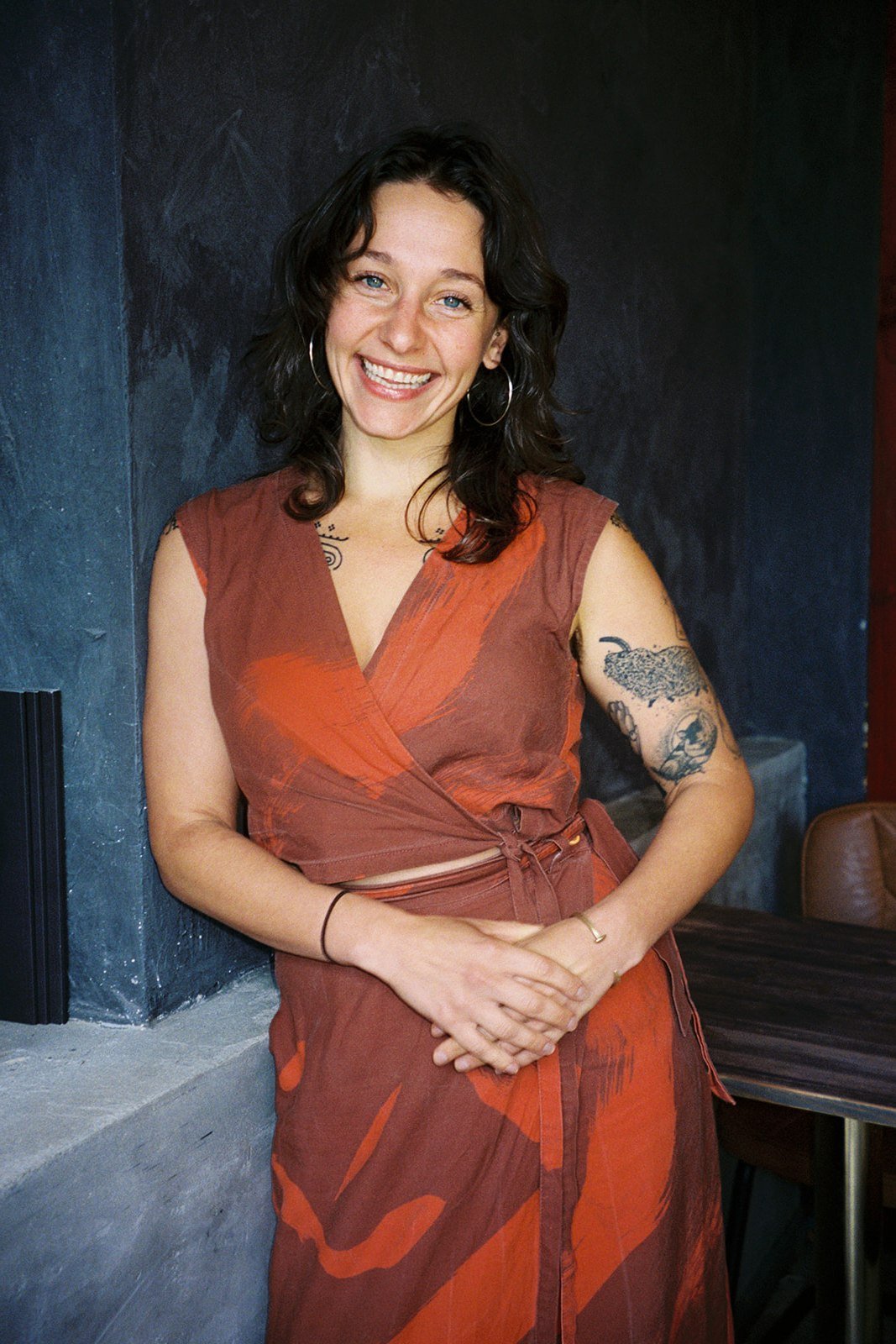
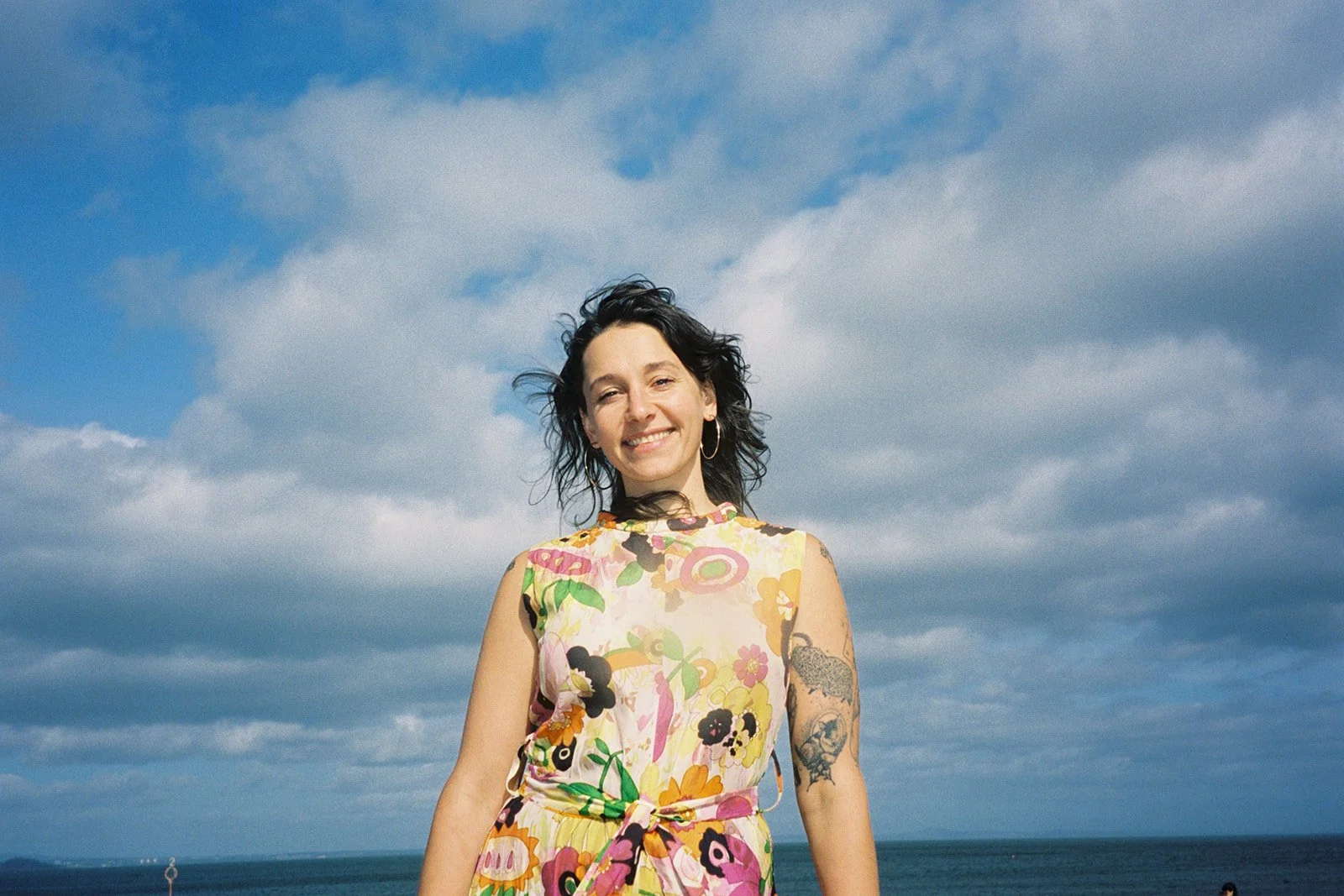
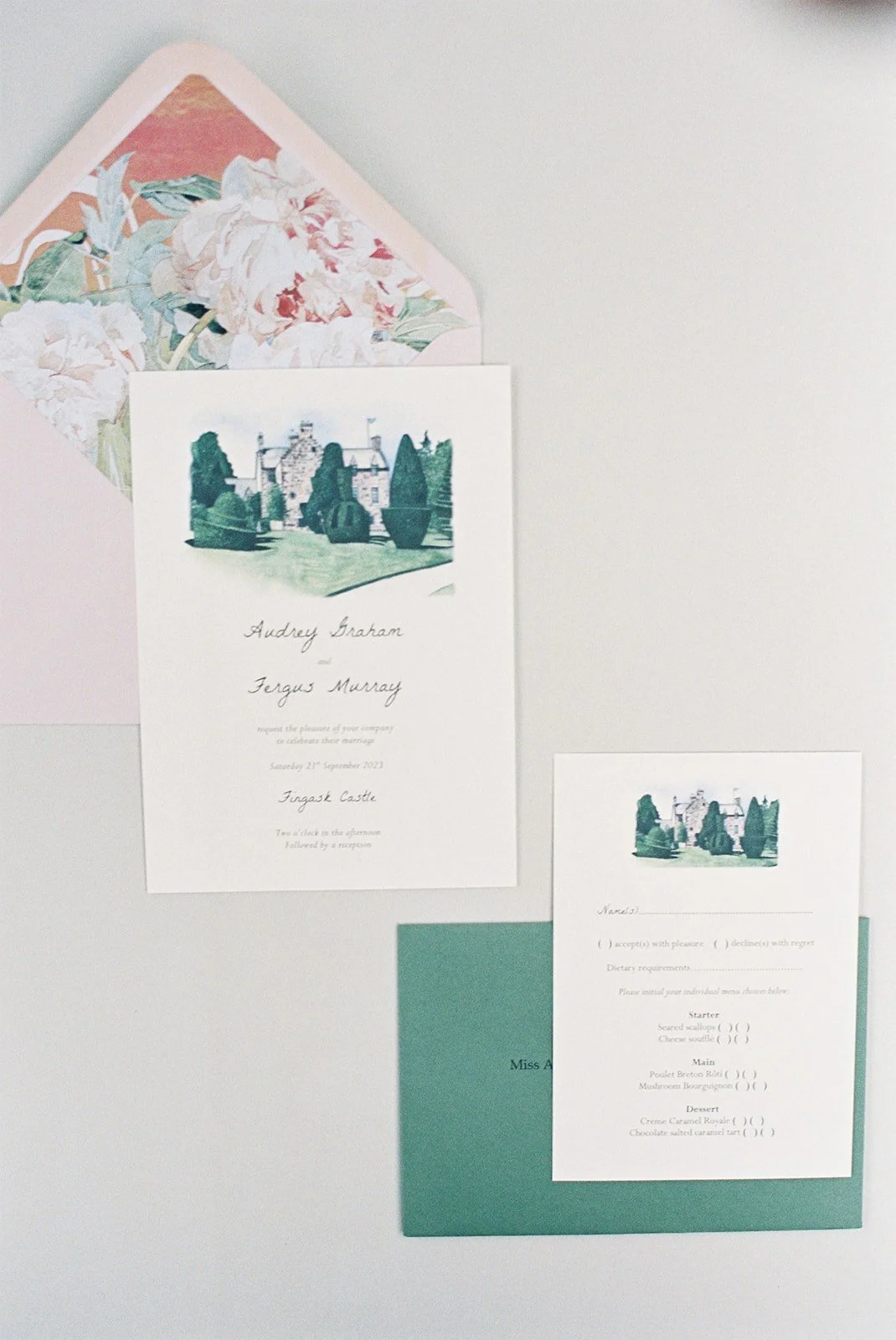
View more brand work, brand event coverage and portraiture below. There’s also a link to my 2026 brochure.
looking for pricing?
Fill out this contact form to be taken directly to my pricing for 2026. No obligation!